Well Deepening and Re-Drill in New Braunfels, TX
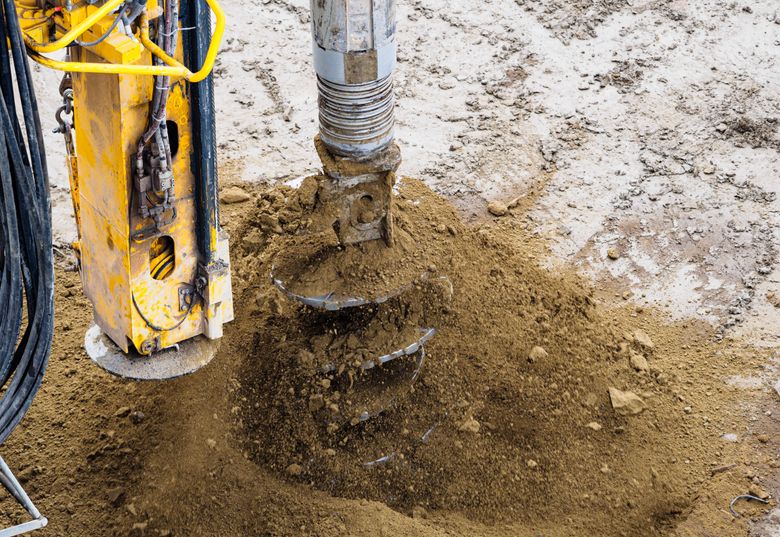
New Braunfels Well Drilling deepens, lowers, and re-drills wells that have stopped producing across New Braunfels and Comal County, Texas. When a well that ran fine for years starts sputtering, the cause is almost always one of two things: the water level dropped below the pump, or the pump itself failed. We find out which before we quote a dollar, because the two problems cost very different money to fix.
Comal County's Edwards wells add a wrinkle you do not see everywhere. The Edwards is karst limestone, so it recharges fast after rain and draws down fast in a drought, and a well riding near the normal level can sputter in a dry summer and recover after a wet one. People assume the aquifer failed when often the pump was simply set too high for the swing. Trinity wells to the west are steadier but slower, and they fail more often on the pump than on the level. We read which situation you actually have.
Lower, Deepen, or Re-Drill
There is a ladder of fixes here, cheapest first, and we work it in order. If the well still holds water and the pump simply sits too high for the seasonal swing, we lower the pump and the well comes back for a fraction of the cost. If the water has genuinely fallen away, we look at drilling the same hole deeper, sometimes from the Edwards into the steadier Trinity below. If the well is old, badly cased, or collapsed, a new well is the honest answer. We measure the standing level and read the casing before we tell you which rung you are on.
Why We Measure First
A dry faucet is not proof of a dry well. A worn pump, a hole in the drop pipe, or a bad pressure switch produces the same symptom with a full column of water underneath, and in the fast-swinging Edwards the guessing gets worse, not better. We put a line down the well and read the real water level, then we know whether you have a water problem or a hardware problem. That one measurement is the difference between a pump call and a rig call, and we would rather sell you the smaller of the two when it is right.
Well sputtering, air in the lines, or nothing at the tap at all? Call (830) 555-0192 and tell us what the well is doing.
My well lost pressure. Is it the aquifer or the pump?
Those two look identical at the faucet and cost very different money. A dropping water level pulls the surface below the pump, so it draws air. A failing pump or a leak in the drop pipe does the same with plenty of water still down there. In the Edwards, levels can fall fast in a dry spell because the karst drains quickly, which makes people assume the aquifer when the pump is the real problem. We measure the standing level before we quote anything.
Why do Edwards wells swing so much?
The Edwards is karst limestone, full of fractures and channels, so it recharges fast after rain and draws down fast in a drought. A well riding near the normal level can sputter in a dry summer and recover after a wet one. The fix is usually to set the pump lower, with more water above it, so the swing does not reach it. We measure how far the level moves and set the pump to stay under water through the low season.
Can you deepen my well, or do I need a new one?
Sometimes we can drill the same hole deeper to reach a steadier zone, which costs far less than a fresh well. It depends on how the well was cased and what the rock below does. In some spots deepening from the Edwards into the Trinity reaches slower but steadier water. If the casing is sound and the geology cooperates, deepening is the cheaper route. If the well is old or poorly built, a new well is the honest call.
Would lowering the pump be enough?
Often yes, especially on an Edwards well that swings with the seasons. If the well still holds water but the pump sits too high, dropping it deeper puts it back under water and the well comes back for a fraction of the cost of deepening. We only move to a deeper hole when the water itself has fallen past what the well can reach, not when the pump was simply set too shallow for a dry year.
How fast can you get to a dry well?
A house with no water is an emergency and we treat it that way. Diagnosing the well, measuring the level, and pulling the pump usually happen on the first visit. If the fix is a lower pump we often handle it the same day. Deepening or re-drilling needs the rig and a permit from the right authority, so that runs longer. Call and tell us the well went dry and we will get to you as fast as the schedule allows.