Pressure Tanks and Water Storage in New Braunfels, TX
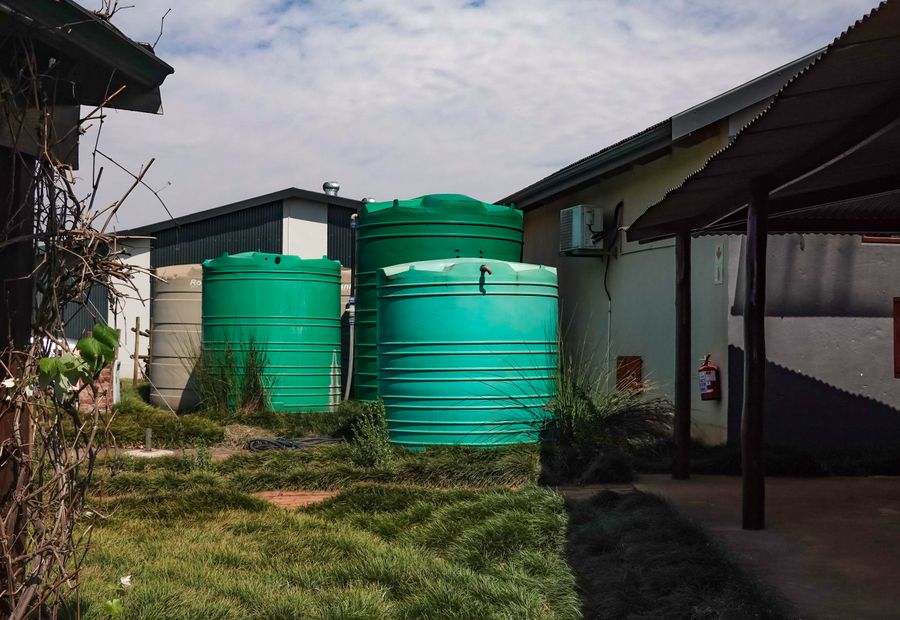
New Braunfels Well Drilling sizes and sets pressure tanks and water storage systems across New Braunfels and Comal County, Texas. The pump gets the water out of the ground, but the pressure tank and storage system are what turn it into steady, usable water pressure in the house. Get these wrong and you burn out pumps, run out of water during a dry spell, or fight low pressure the whole time you own the place.
A pressure tank does one quiet, important job. It holds a cushion of pressurized air so you can draw water without the pump starting for every glass. When that cushion fails, the pump cycles on and off constantly and wears out years early. A waterlogged or dead pressure tank is one of the most common problems we find, and one of the cheapest to fix for the value it returns.
Storage for Slow Wells and Swinging Aquifers
Storage earns its keep two ways in Comal County. On a slower Trinity well that cannot serve two fixtures at once, the well fills a large tank steadily around the clock and a booster pump delivers full house pressure from the reserve. On an Edwards well that draws down in a drought, that same storage banks water while the well is producing, so a temporary dip in the aquifer does not leave the house dry the same afternoon. Either way, the storage smooths out what the well cannot deliver on demand.
Matching the Tank to the Pump
A pressure tank and a pump are a pair. The tank has to give the pump enough run time and rest between cycles, or the pump suffers no matter how good it is. We size the pressure tank to your pump and your water use, set the air charge correctly, and, where the well is slow or the aquifer swings, add the storage and booster that keep the house supplied. The result is steady pressure, a pump that lasts, and water that does not run out when the house is full.
Pump cycling constantly, or pressure that fades in a dry spell? Call (830) 555-0192.
Why does my pump run every time I open a tap?
That is the classic sign of a waterlogged pressure tank. A pressure tank holds a cushion of air that lets you draw water without starting the pump every time. When the tank loses its air charge or the bladder fails, the pump kicks on for every cup and cycles itself to death. Recharging or replacing the tank fixes it and adds years to the pump. It is one of the cheapest, highest-payback repairs on a well system.
Do I need a storage tank, or just a pressure tank?
Most homes on a good Edwards or Trinity well run fine on a pressure tank alone. A storage tank earns its keep on a slower Trinity well, or where an owner wants a reserve against the Edwards level swinging in a drought. The well fills the storage tank steadily, and a booster pump delivers house pressure from the tank. Storage buffers the demand a slow well cannot meet directly, and it gives a cushion when the aquifer runs low.
Can a storage tank protect me during a drought?
It helps. On an Edwards well that draws down in a dry summer, a storage tank banks water while the well is producing, so a temporary dip in the well does not immediately leave the house dry. It is not unlimited water, but a well-sized reserve smooths out the swings the karst aquifer is known for. On a slow Trinity well, storage does the same job against low yield rather than a falling level.
What size pressure tank should I have?
It comes down to your pump size and how the household uses water. Too small a tank and the pump short-cycles; too large is wasted money. The goal is a draw-down and run time that keep the pump from starting more than a sane number of times an hour. We size the tank to the pump, not to whatever was on the truck, because the tank and the pump have to be matched or one of them suffers.
Where should the tanks go?
Pressure tanks usually live in a well house, garage, or utility space where they stay off the ground and out of the sun. Storage tanks sit outside, on a level pad, positioned so the well fills them and the booster pump draws from them cleanly. On acreage we place them where the plumbing run is short and service access is easy. We lay it out so the system is easy to reach the day it needs a wrench.